How to Hire a Mixing Engineer Online: The Complete Guide
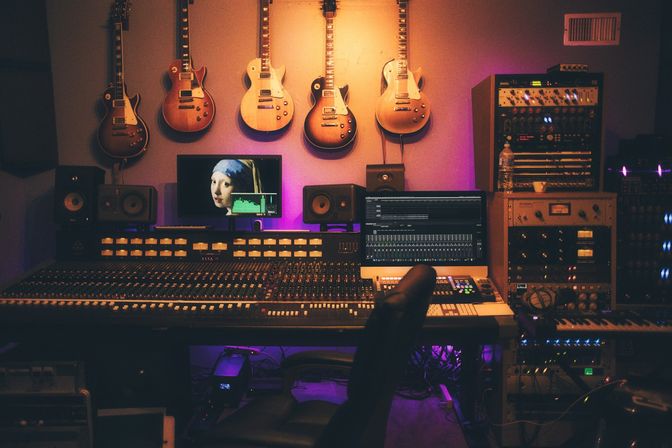
You finished producing your track. The arrangement is locked. The performances are solid. Now you need someone to mix it—and you have no idea where to start.
You Google “hire mixing engineer online” and get hit with hundreds of profiles across a dozen platforms. Prices range from $25 to $2,500 per song. Everyone’s portfolio sounds polished. How do you tell who’s actually good and who just has good presets?
Hiring a mixing engineer online isn’t hard. Hiring the right one takes a little knowledge. Here’s everything you need to know.
When Do You Actually Need a Mixing Engineer?
Not every track needs a dedicated mix engineer. But most tracks benefit from one.
You probably need a mixing engineer if:
- You’ve been tweaking the same mix for days and it still doesn’t sound like the references in your head
- Your mix sounds fine in your headphones but falls apart on other speakers
- You’re releasing commercially and want it to compete sonically with professional releases
- You’re too close to the music to hear it objectively anymore
- You don’t have the monitoring environment, plugins, or experience to get a professional result
You can probably mix it yourself if:
- It’s a demo or rough reference, not a final release
- You have mixing experience and a treated room
- The production is simple enough that it mostly mixes itself
- You genuinely enjoy mixing and have the time
The honest truth: a good mix engineer will hear problems you’ve gone blind to. They bring fresh ears, better monitoring, and years of pattern recognition about what makes tracks translate across systems. That’s worth paying for on anything you plan to release.
What to Look For in a Mixing Engineer
Credits and gear matter less than you think. What matters more:
Genre experience
A mix engineer who’s spent five years mixing hip-hop will approach your indie rock track differently than someone who lives in that world. Listen to their portfolio. Does it sound like the music you make? Not identical—but in the same neighborhood.
You don’t need someone who’s mixed a Grammy winner. You need someone who understands your genre’s conventions and knows when to follow them and when to break them.
Communication skills
This matters more than any plugin collection. A mix engineer who asks good questions before starting—about your references, your vision, what you’ve struggled with—will deliver a better first pass than someone who just takes your stems and disappears for a week.
Turnaround and revision policy
Ask upfront: How long until the first mix? How many revision rounds are included? What counts as a revision versus a new direction? Get this in writing before you send a single stem.
Technical versus creative range
Some engineers are surgical. They’ll clean up your low end, tame your transients, and deliver a technically perfect mix. Others are more creative—they’ll add character, reshape sounds, push the mix somewhere unexpected. Know which one you want before you hire.
Where to Find Mixing Engineers Online
The options range from curated marketplaces to cold DMs. Each has tradeoffs.
Dedicated music marketplaces
SoundBetter is the most established marketplace for hiring mixing engineers. Engineers create profiles with credits, audio samples, and reviews. You can filter by genre, budget, and turnaround time. The platform handles payments and provides a messaging system. Pricing skews mid-to-high ($200–$1,500+ per song), and the roster includes engineers with major-label credits. It covers finding and paying an engineer; for the stems, feedback and revisions that come after, see what to use alongside SoundBetter.
AirGigs is a similar marketplace with generally lower price points. Good for independent artists on tighter budgets. The quality range is wider—you’ll find excellent engineers alongside beginners—so vetting matters more here.
Fiverr and Upwork have mixing engineers, but these are generalist freelance platforms. The floor is very low. You can find capable engineers, but you’ll sort through a lot of profiles to find them. Best for very small budgets where you understand the tradeoff.
Social media and communities
Some of the best mixing engineers you’ll find aren’t on marketplaces at all. They’re on:
- Reddit (r/mixingmastering, r/WeAreTheMusicMakers) — engineers post portfolio threads and accept work
- Discord — production communities where engineers hang out and take clients
- Instagram / Twitter — engineers post before/after clips, mix breakdowns, and client work
The upside: no platform fees, direct relationships. The downside: no built-in escrow or dispute resolution. Trust is on you.
Direct outreach
Found an engineer whose work you admire? Email them. Many mix engineers—including some with serious credits—take independent clients directly. Check their website or social profiles for contact info.
This approach works best when you can point to specific work of theirs that resonated with you. “I loved your mix on [specific track] and I’m looking for something similar” is a much better opener than “what are your rates?”
How to Evaluate Before You Commit
A polished profile doesn’t guarantee a good fit. Here’s how to vet before you spend money.
Listen critically to their portfolio
Don’t just check if it sounds good. Ask yourself:
- Does the low end translate, or is it muddy?
- Are the vocals sitting naturally in the mix?
- Does it sound like their style was imposed, or does each track sound like itself?
- Is there dynamic range, or is everything slammed to the ceiling?
Listen on multiple systems—headphones, car, phone speaker. A good mix translates everywhere.
Ask for a test mix
Many engineers offer a paid test mix on one song (sometimes at a reduced rate). This is the best $50–$150 you can spend. You’ll learn more about their skills, communication, and turnaround from one real interaction than from any portfolio.
Check references and reviews
Platform reviews help, but a five-star average across twelve reviews means less than a detailed testimonial from someone whose music sounds like yours. If possible, ask the engineer for a reference you can contact directly.
Evaluate their questions
When you first reach out, notice what they ask you. A good engineer will want to know:
- What genre and vibe you’re going for
- Reference tracks you like
- What you’ve struggled with in the current rough mix
- Timeline and budget
An engineer who just says “send me the stems and I’ll have it done Friday” without asking anything else is a risk.
How to Prepare Your Session
A well-prepared session saves your mix engineer time and saves you money. A messy session leads to back-and-forth emails, confusion, and a worse mix.
Export stems properly
Export every track from the same start point (bar 1, beat 1) so everything lines up when imported. Use the same sample rate and bit depth as your session—don’t downsample. WAV is the standard delivery format. If you’re unsure about formats, our guide to lossless audio formats breaks down when to use WAV, FLAC, and AIFF.
Label everything clearly
Audio Track 14.wav tells your engineer nothing. Lead_Vocal_Dry.wav tells them exactly what it is.
Name every stem descriptively: Kick.wav, Snare_Top.wav, Bass_DI.wav, Guitar_Rhythm_L.wav, Vocal_Lead.wav, Vocal_Harmony_High.wav. Group related tracks with consistent prefixes.
If file naming and organization isn’t your strength, our guide to organizing audio files covers naming conventions and folder structures that make stem delivery painless.
Include reference tracks
Send two or three songs that represent the sonic direction you want. Be specific about what you like in each reference: “I love the vocal space in track A and the drum punch in track B.” References eliminate guesswork.
Write a mix brief
A short document (even a few bullet points) covering:
- The vibe and emotion you’re going for
- What’s working in your rough mix that you want preserved
- What’s not working that you want fixed
- Any specific requests (e.g., “keep the delay throw on the vocal in the second chorus”)
- What you don’t want (e.g., “no autotune,” “don’t change the drum tones”)
Working Together Remotely
Once your engineer starts mixing, the collaboration workflow makes or breaks the experience.
Set communication expectations early
Agree on where you’ll communicate (email, messaging platform, project workspace) and how quickly you each expect responses. Nothing derails a mix timeline faster than a three-day silence when you’re waiting on revision notes.
Give specific, actionable feedback
“Something feels off” is not useful feedback. “The vocal feels buried under the guitars from 1:15 to 1:45—can you bring it up or carve some space in the guitar mids?” gives your engineer something to act on.
Use timestamps. Reference specific instruments. Explain what you’re hearing versus what you want to hear. Our guide to giving feedback on music covers this in depth—it’ll make your revision rounds faster and less frustrating for everyone.
Manage versions carefully
By the time you get through two or three revision rounds, you’ll have multiple mix versions floating around. Keep track of which version is current. Label feedback clearly (“notes on Mix v2, sent Tuesday”).
Tools built for remote music collaboration handle this automatically—version history, timestamped comments on the waveform, A/B comparison between revisions. Aliada Create is built for exactly this workflow, so you and your engineer always know which version is latest and what feedback goes where. Our full guide to remote music collaboration covers more workflow strategies for working with engineers and collaborators across distances.
What to Expect to Pay
Mixing rates vary enormously. Here’s a realistic breakdown.
Budget tier: $25–$150 per song
Engineers at this level are typically early in their careers or working in lower-cost markets. You can find genuinely skilled people here, but the floor is low. Always listen to their portfolio and do a test mix before committing to a full project.
Mid-range: $150–$500 per song
This is where most independent artists land. Engineers at this tier usually have several years of experience, decent credits, and reliable workflows. You’ll get professional-quality results for most genres.
Professional: $500–$1,500+ per song
Engineers with major-label credits, Grammy nominations, or deep specialization in specific genres. Worth it if you’re releasing through a label, pitching to sync libraries, or your budget supports it. At this tier, you’re paying for taste and experience as much as technical skill.
What affects the price
- Stem count: 20 stems cost less to mix than 80
- Genre complexity: A stripped-down folk song mixes faster than a dense electronic production
- Revision rounds: More included revisions usually mean higher base price
- Turnaround time: Rush jobs cost more
- Engineer’s credits and demand: Name recognition commands a premium
Per-song versus hourly
Most online mixing engineers charge per song. It’s simpler for both sides—you know the cost upfront, and the engineer can manage their time. Hourly rates ($30–$150/hour) are more common for in-person sessions or ongoing relationships.
Per-song pricing with a defined number of revisions is the safest arrangement when hiring someone for the first time.
Red Flags to Watch For
No portfolio or only one genre
If an engineer can’t show you finished work, walk away. If their entire portfolio is one genre and yours is different, they might not be the right fit—even if the work sounds great.
Unrealistic turnaround promises
“I’ll have your 12-track album mixed in two days” should make you nervous. A single song typically takes a professional engineer several hours of focused work. Anyone promising overnight delivery on complex projects is either cutting corners or outsourcing.
No revision policy
If they can’t tell you how many revisions are included or what happens when you need changes, you’re setting yourself up for scope creep and surprise charges.
Demands full payment upfront
A 50% deposit is standard. Full payment before any work is delivered is a risk—especially with someone you’ve never worked with. Reputable engineers understand this and won’t push back on a split payment structure.
Poor communication before the project starts
If they take days to respond to your initial inquiry, ignore your questions, or give vague answers about their process—that behavior won’t improve once they have your money and your stems.
They don’t ask about your vision
An engineer who takes your stems without asking what you’re going for is mixing blind. The best engineers want context: references, goals, what you like about your rough mix. If they don’t ask, they’re guessing.
Related guides
- Lossless Audio Formats Explained — Which audio format to use when exporting stems for your mix engineer
- How to Organize Audio Files for Music Production — Naming conventions and folder structures for clean stem delivery
- How to Collaborate on Music Remotely — Workflows and tools for working with engineers and collaborators across distances
- How to Give Feedback on Music — Give specific, actionable revision notes that actually improve the mix
Find the right engineer, make better music
Hiring a mixing engineer online is one of the best investments you can make in your music. The right person brings fresh perspective, technical expertise, and years of trained ears to your tracks.
Do your homework: listen to portfolios, ask the right questions, prepare your session properly, and communicate clearly throughout the process. The difference between a frustrating experience and a great one usually comes down to preparation and communication—not budget.
Try Aliada free for 14 days—share stems, collect timestamped feedback, and manage mix revisions in one place. And if you’d rather skip the search entirely, Aliada Hire (coming soon) will match you with vetted mixing engineers based on your genre, budget, and timeline.